
What are we working on?

Research

Element number 43

Technetium

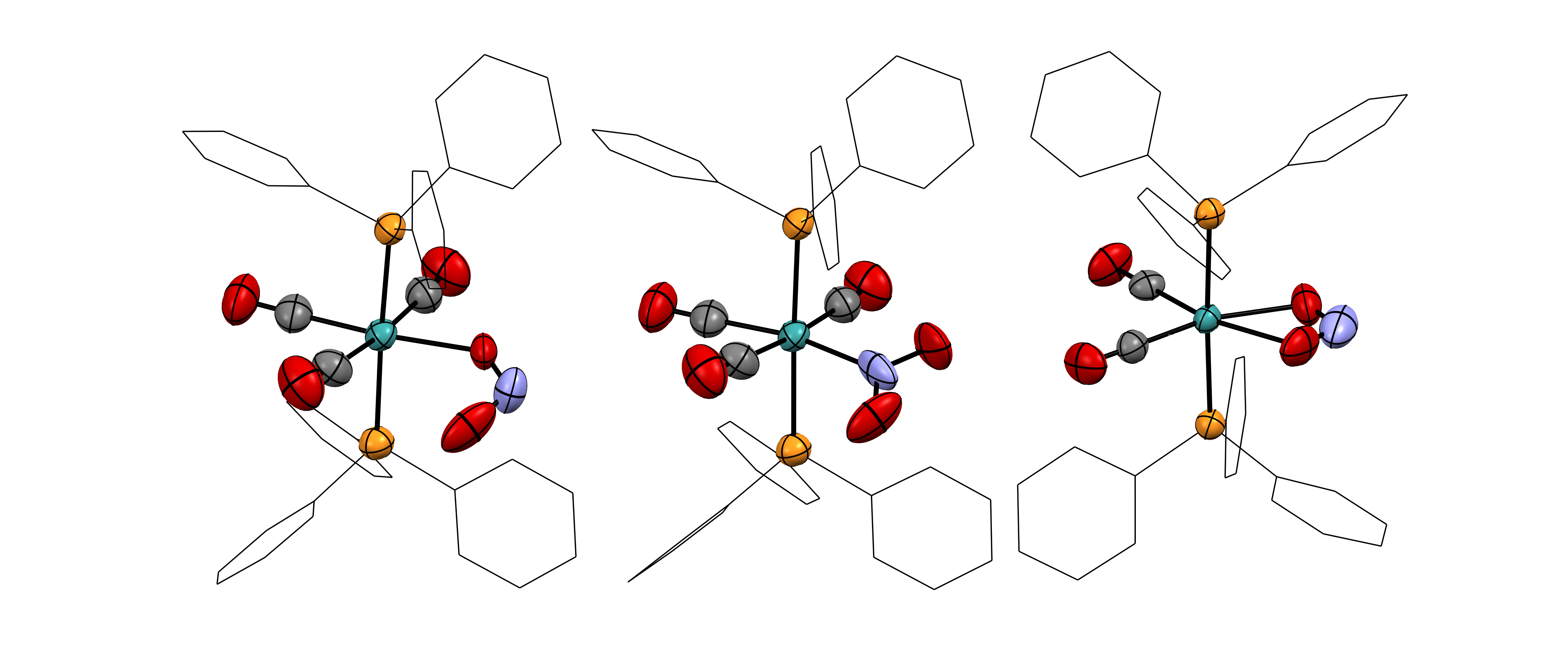
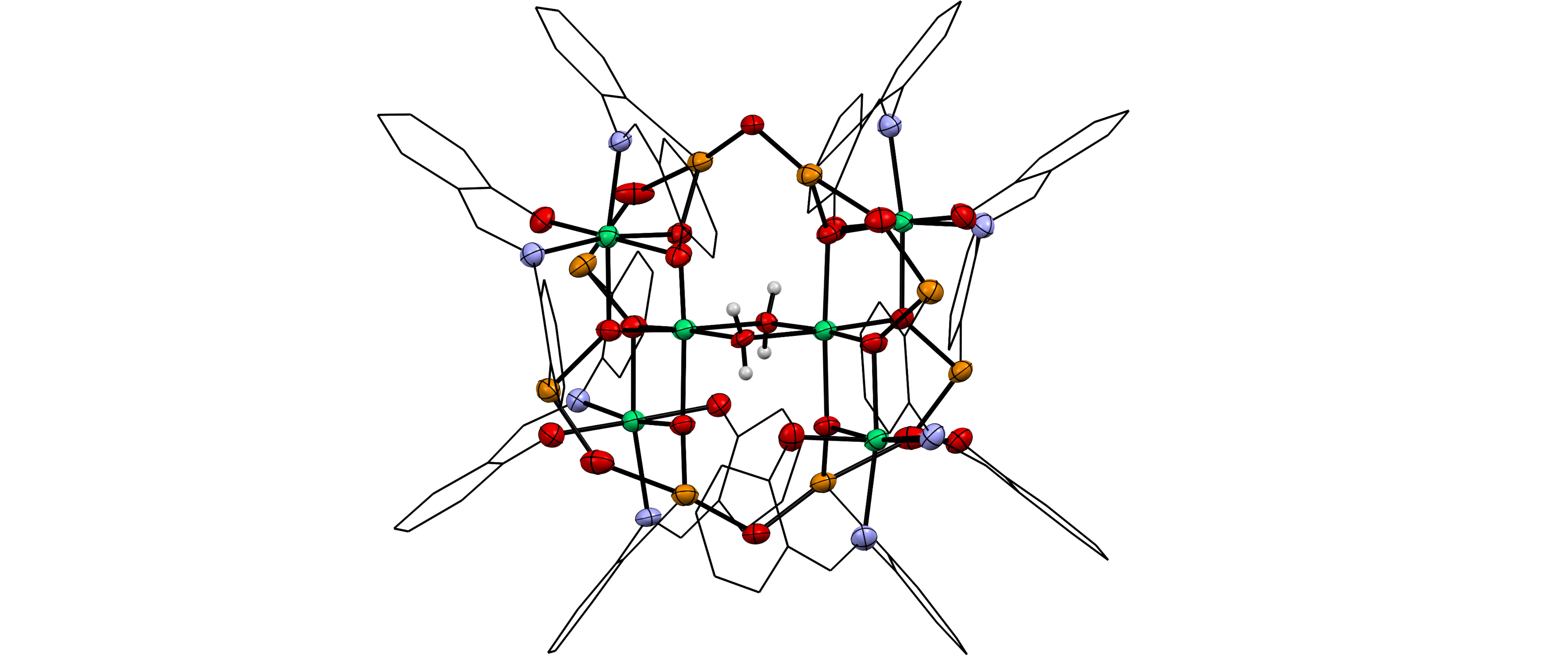
Nearly non-existent in nature, the radioelement technetium was first discovered in neutron-activated molybdenum as late as 1937. Significant advancements in technetium chemistry have often been driven by its undisputed importance in nuclear medicine and its relevance for nuclear waste. Such achievements were, however, generally preceded by a foundation of breakthrough discoveries in the fundamental chemistry of the element that resulted from less application-focused research. In this regard, even the general chemistry with simple ligands such as halido or oxido ligands is relatively poorly understood to this date, while major discoveries continue being reported in recent years. Motivated by the special position of technetium in the middle of the periodic table, we study and develop the fundamental chemistry of this fascinating element using modern tools, such as X-ray crystallography, multinuclear nuclear magnetic resonance (NMR) spectroscopy and advanced X-ray spectroscopy combined with predictions based on quantum chemical calculations.


Measuring directly at the affected nucleus

Nuclear Magnetic Resonance

Tc-99 is a highly receptive quadrupolar nuclear magnetic resonance (NMR) active nucleus. Its large nuclear spin partially counteracts the significant quadrupole moment, resulting in resonances with relatively narrow line widths. Combined with the availability of up to 10 experimentally proven oxidation states and a high sensitivity of the chemical shift on the exact environment of the technetium atom, it makes an ideal model case for the systematic investigation of ligand effects on quadrupolar NMR nuclei. With the currently available data, however, a reliable prediction or quantitative theoretical description beyond simple fingerprinting is not yet possible. We are therefore developing model systems for the optimization and benchmarking of quantum-chemical calculation methods. Suitable systems include among others highly reactive synthons for coordinatively unsaturated species that are easily derivatized at a single position under mild conditions, or diamagnetic compound groups with well-defined reactivity patterns.


From catalysis to stable compounds...

Organometallic Chemistry

Organometallic compounds can be extremely reactive or remarkably stable, largely depending on the central metal, its oxidation state and co-ligands. Organomanganese compounds are governed by a significant ionicity of Mn-C bonds, while organorhenium compounds are generally more stable and covalent. Technetium expectedly shows similarities to both. Most importantly, organotechnetium compounds are sufficiently stable for radiopharmaceutical applications. In our laboratory, we develop new ways of creating and using compounds containing organometallic units.


More than just oxygen and sulfur...

Across the Periodic Table

Despite our clear focus on technetium (or group 7) chemistry, we are working on the synthesis, coordination, and organometallic chemistry of unusual classes of ligands (e.g., unusual heterocycles, selenium, or tellurium ligands) as well as their properties and reactivity. Such compounds can be useful building blocks in our other systematic investigations regarding technetium, but also hold potential for fields such as material science, opto-electronics and (organo)catalysis. The focus of our work is on organochalcogen compounds with unusual electronic structures and complex reaction networks.